What is Wet Cupping?
Cupping therapy has been practiced for centuries in traditional medicine systems worldwide, including Chinese, Middle Eastern, and Greek traditions. This technique uses suction to stimulate blood flow, alleviate pain, and promote healing. The two main types of cupping therapy are wet cupping and dry cupping, each offering unique methods, benefits, and applications. Understanding the differences between these two approaches can help individuals determine which therapy is more suitable for their specific needs.

What is Wet Cupping?
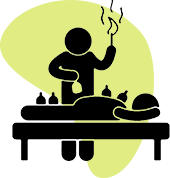
Wet cupping, also known as Hijama, combines suction with controlled bloodletting. The process typically involves placing cups on the skin to create suction, followed by small incisions in the skin. When the cups are reapplied, a small amount of blood is drawn out, believed to remove toxins, stagnant blood, and impurities from the body.
Benefits of Wet Cupping
- Detoxification: Proponents claim that wet cupping helps cleanse the body by removing harmful substances and improving circulation.
- Pain Relief: It is commonly used to alleviate chronic pain conditions, such as migraines, back pain, and arthritis.
- Boosted Immunity: By improving blood flow and removing waste products, it is thought to strengthen the immune system.
Drawbacks of Wet Cupping
- Invasive Nature: The process involves small cuts, which may be uncomfortable or intimidating for some people.
- Risk of Infection: If not performed in a sterile environment, there is a risk of infection or scarring.
- Not Suitable for Everyone: Individuals with blood disorders, anemia, or low pain tolerance may find wet cupping unsuitable.
What is Dry Cupping?
Dry cupping is a non-invasive technique where suction is created by placing cups on the skin. This draws the skin and underlying tissues into the cup, stimulating blood flow and relieving muscle tension. Unlike wet cupping, it does not involve bloodletting.
Benefits of Dry Cupping
- Non-Invasive: Dry cupping is painless and does not involve incisions or bleeding, making it more appealing to those wary of invasive procedures.
- Muscle Relaxation: It effectively relieves muscle tension and stiffness, making it popular among athletes and individuals with sedentary lifestyles.
- Improved Circulation: The suction promotes blood flow, aiding recovery and reducing inflammation.
Drawbacks of Dry Cupping
- Surface-Level Effects: While it improves circulation, it may not provide the same detoxifying benefits as wet cupping.
- Temporary Skin Marks: The suction often leaves circular marks on the skin, which can last for several days.
- Limited Scope: It primarily addresses localized issues like muscle tension rather than systemic health concerns.
Which Therapy is Suitable for You?
The choice between wet and dry cupping depends on individual health needs, comfort levels, and treatment goals:
Choose Wet Cupping If:
- You are looking to address systemic health concerns like detoxification or chronic inflammation.
- You are comfortable with a slightly invasive procedure.
- You are seeking relief from persistent conditions like migraines or joint pain.
Choose Dry Cupping If:
- You prefer a non-invasive therapy for muscle relaxation and localized pain relief.
- You are new to cupping and want to try a less intense approach.
- You are an athlete or physically active individual dealing with muscle soreness or tension.
Combining Wet and Dry Cupping
In some cases, therapists may recommend combining both methods to maximize benefits. For instance, a session might begin with dry cupping to stimulate circulation, followed by wet cupping for detoxification. However, this approach should only be performed by a qualified practitioner in a controlled environment.
Conclusion
Wet and dry cupping are both effective therapies with distinct techniques and benefits. Wet cupping is suitable for those seeking deeper detoxification and relief from systemic conditions, while dry cupping offers a gentle, non-invasive solution for muscle relaxation and localized pain. Consulting a qualified and experienced practitioner is essential to determine the most appropriate therapy for your needs, ensuring a safe and beneficial experience. Whether you choose wet or dry cupping, these ancient practices continue to provide a natural path to improved health and well-being in today’s world.