Understanding Massage Therapy in London
Massage therapy in London isn’t just about pampering—it’s a vital tool for physical and mental health. In a city that never slows down, massage services are booming. But with dozens of styles and hundreds of spas to choose from, it’s easy to get overwhelmed. Before diving in, let’s break down the basics.
What Massage Therapy Really Is
Massage therapy is a structured, purposeful touch that manipulates the soft tissues of the body. It’s designed to improve circulation, relieve tension, reduce stress, and address muscular pain. Therapists use a combination of pressure, movement, and rhythm to stimulate healing in both the muscles and the mind.
In London, you’ll find massage therapy offered in wellness clinics, physiotherapy offices, spas, and even boutique fitness studios. Each may offer a slightly different experience, from medically driven treatment to full-blown relaxation sessions. The term “massage therapy” encompasses both clinical and holistic approaches—meaning it can serve both recovery and luxury purposes.
Importantly, a trained massage therapist will not just rub sore spots. They’re educated in anatomy, physiology, and therapeutic techniques that go far beyond a typical spa rubdown. So whether you’re recovering from a sports injury or trying to calm your nervous system, massage therapy offers real, measurable benefits.
Why It's Gaining Popularity in London
In a city where work-life balance is often a myth, massage therapy is becoming a go-to solution for combating chronic stress, anxiety, and posture-related issues. Londoners face long commutes, desk-bound days, and sky-high cortisol levels. A massage becomes not just a treat, but a necessity for many.
The post-pandemic wellness wave has only accelerated this. More people now understand the mind-body connection and prioritize therapies that support long-term wellbeing. Add to that a surge in freelance workers, athletes, and remote professionals—many of whom build massage sessions into their regular routines.
Also, let’s not forget the diversity of London. With a mix of cultural healing traditions—from Thai to Ayurvedic—many massage therapists blend Eastern techniques with Western science. This multicultural edge gives clients access to a broader, more customized healing experience.
In short, massage therapy in London is no longer a luxury reserved for high-end spa-goers. It’s a wellness tool used by people from all walks of life, and its benefits are backed by science as well as centuries-old wisdom.
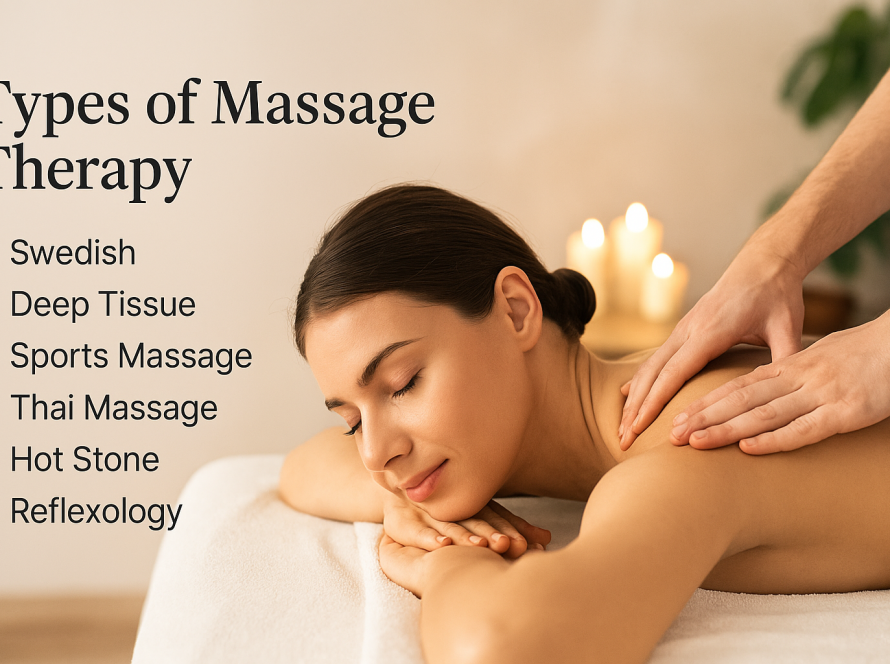
Types of Massage Therapy Available
When exploring massage therapy in London, you’ll quickly notice the array of techniques available. From gentle relaxation massages to deep, muscle-targeting therapies, each type serves a specific purpose. Picking the right one for your body’s needs is essential—not all massages are created equal, and choosing the wrong one could leave you more tense than before.
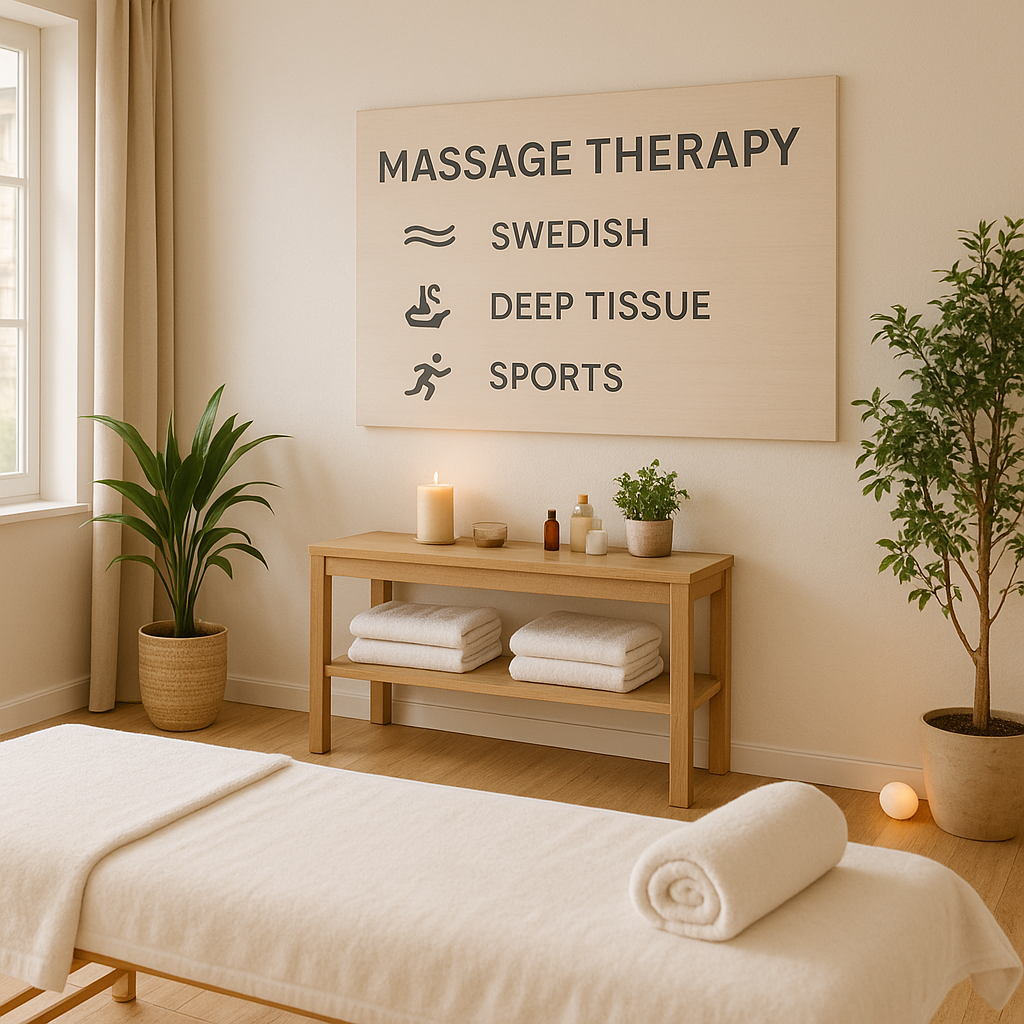
Swedish, Deep Tissue, and Sports Massage Explained
Swedish Massage is often what people imagine when they think of a traditional massage. It uses long, gliding strokes combined with kneading and circular motions to relax superficial muscles. Ideal for first-timers and those looking to de-stress, it promotes circulation, eases tension, and improves mood.
Deep Tissue Massage, on the other hand, targets the inner layers of your muscles. This technique uses slow, firm strokes and deeper pressure to relieve chronic aches, muscle knots, and stiffness. It’s often recommended for people who suffer from back pain or long-standing tension built up from poor posture or repetitive activities.
Sports Massage is tailored for those with active lifestyles—whether professional athletes or weekend warriors. This method is both preventative and corrective. It focuses on areas of the body that are overused and stressed from repetitive movement. Sports massage can enhance performance, speed up recovery, and reduce the risk of injury. It’s not necessarily relaxing, but it’s incredibly effective.
In London, many massage therapists are trained in multiple modalities and may combine techniques depending on your goals. Always ask during your consultation if the therapist customizes the approach based on your needs.
Choosing the Right Type for Your Needs
The best massage for you depends on more than just your symptoms—it’s about your lifestyle, preferences, and even your pain tolerance.
-
Feeling stressed and overworked? Go for a Swedish massage to calm your nervous system.
-
Experiencing chronic pain or tension? Deep tissue might be your best bet.
-
Engaged in sports or physical training? Opt for a sports massage to help your muscles recover faster.
Also consider hybrid options. London’s top therapists often offer fusion massages that blend aromatherapy, trigger point therapy, and even reflexology. These sessions are especially beneficial if you have multiple issues or are unsure what treatment you need.
Before booking, read service descriptions carefully and don’t hesitate to ask the clinic for guidance. Many spas offer free consultations or short assessments prior to your appointment to ensure you get the most suitable therapy.