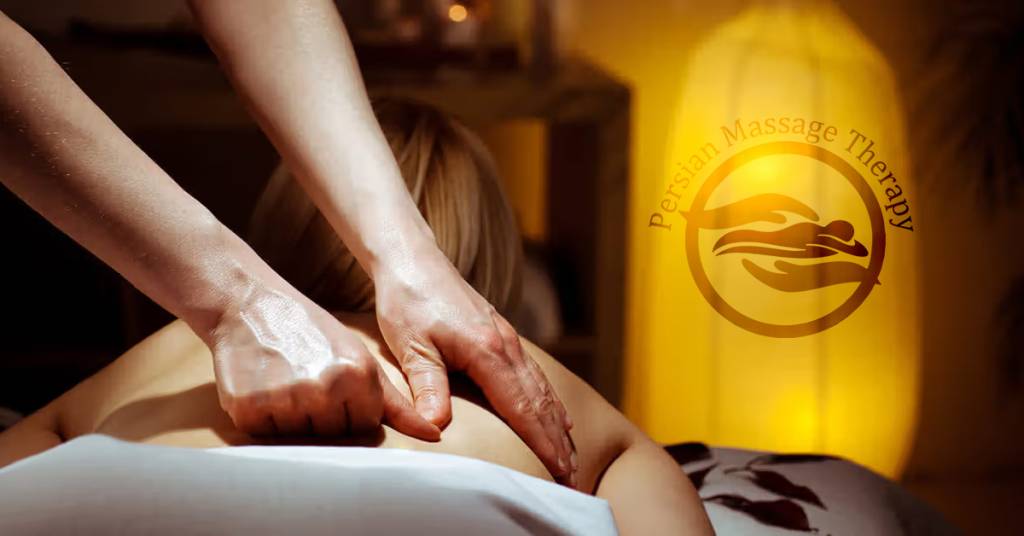
Swedish massage, often referred to as “classic massage,” is one of the most popular and widely practiced forms of massage therapy worldwide. Developed in the early 19th century by Swedish physiologist Per Henrik Ling, this technique focuses on promoting relaxation, improving circulation, and enhancing overall well-being through a series of specific strokes and movements.
Key Techniques of Swedish Massage
Swedish massage employs several fundamental techniques, each designed to achieve specific therapeutic outcomes:
Effleurage: Long, gliding strokes performed with the palms, thumbs, or fingertips. This technique warms up the muscles, prepares the body for deeper work, and promotes relaxation.
Petrissage: Kneading, squeezing, and lifting motions that target deeper muscle layers. Petrissage helps release muscle tension, improve circulation, and enhance flexibility.
Friction: Deep, circular or cross-fiber movements applied with the fingertips, thumbs, or palm. Friction is used to break down adhesions and release tension in specific muscle areas.
Tapotement: Rhythmic tapping or percussive movements performed with the edge of the hand, cupped hands, or fingertips. This technique stimulates nerves, muscles, and circulation.
Vibration: Rapid shaking or trembling motions that relax the muscles and promote relaxation.
Benefits of Swedish Massage
Engaging in Swedish massage therapy offers numerous physical and mental health benefits:
Relaxation and Stress Reduction: The gentle strokes and rhythmic movements promote the release of endorphins, the body’s natural feel-good hormones, helping to reduce stress and anxiety levels.
Improved Circulation: The various techniques used in Swedish massage enhance blood flow and oxygen delivery to muscles, which can aid in recovery after exercise or injury.
Muscle Tension Relief: Techniques like petrissage and friction help alleviate muscle knots and tension, improving flexibility and reducing discomfort.
Enhanced Flexibility: Regular sessions can improve joint flexibility and range of motion by reducing muscle stiffness.
Boosted Immune Function: Some studies suggest that massage therapy can enhance immune function by increasing the activity level of the body’s natural “killer cells,” which fight off viruses.
What to Expect During a Swedish Massage Session
A typical Swedish massage session lasts between 60 to 90 minutes. The therapist will use massage oil or lotion to reduce friction on the skin and perform a series of strokes and techniques tailored to your needs. It’s important to communicate with your therapist about any areas of discomfort or specific concerns to ensure a beneficial experience.
Conclusion
Swedish massage offers a holistic approach to relaxation and wellness, making it a suitable choice for individuals seeking to alleviate stress, improve circulation, and enhance overall health. Whether you’re new to massage therapy or a regular client, Swedish massage provides a gentle yet effective way to care for your body and mind.